The Custom of Torching Cars Lives for another Year in France

Torched Cars
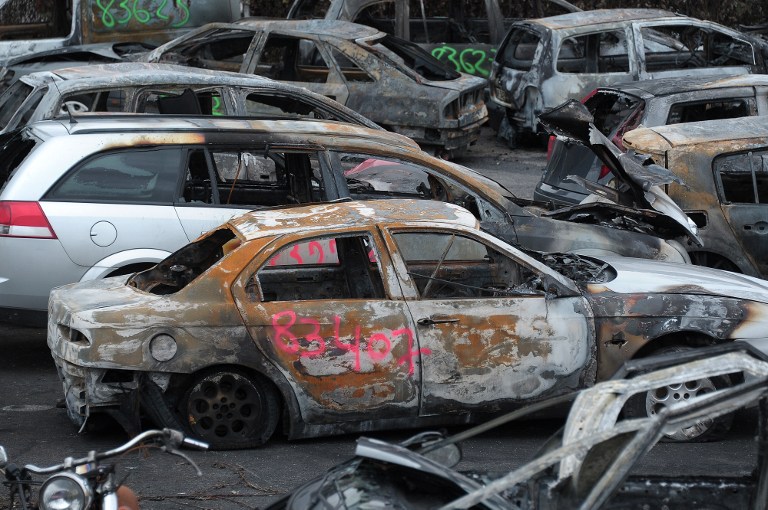
A picture taken on January 1st, 2013 shows burnt cars collected by city employees during the New Year’s eve in Strasbourg, eastern France. AFP PHOTO/FREDERICK FLORIN

While the rest of the world celebrates New Year’s Eve with love and fireworks, the French seem to have found something that involves more fire: the torching of cars. This New Year’s Eve saw the torching of 1,031 cars, as compared to the figure of 935 from last year. What follows, almost every year, is a number of arrests of the people responsible. However, that appears to be doing nothing to curb the problem.

French president, Emmanuel Macron, denounced the actions by declaring them “cowardly” and stating that all of the culprits will be apprehended. Perhaps, it would be in the best interest of France if its President spent less time giving speeches and more time actually making an example out of people. This custom of torching cars on the New Year’s Eve began in 1990 and has been growing ever since. When you consider how this custom has survived for nearly three decades, you have got to say that it speaks millions of the inability of the French government when it comes to the protection of people’s lives and properties. It is tough being a car owner in France and it’s an irony that the country calls itself the heart of European culture!
The WhatCar? Car of the Year Runs on Diesel?

WhatCar Diesel Volvo

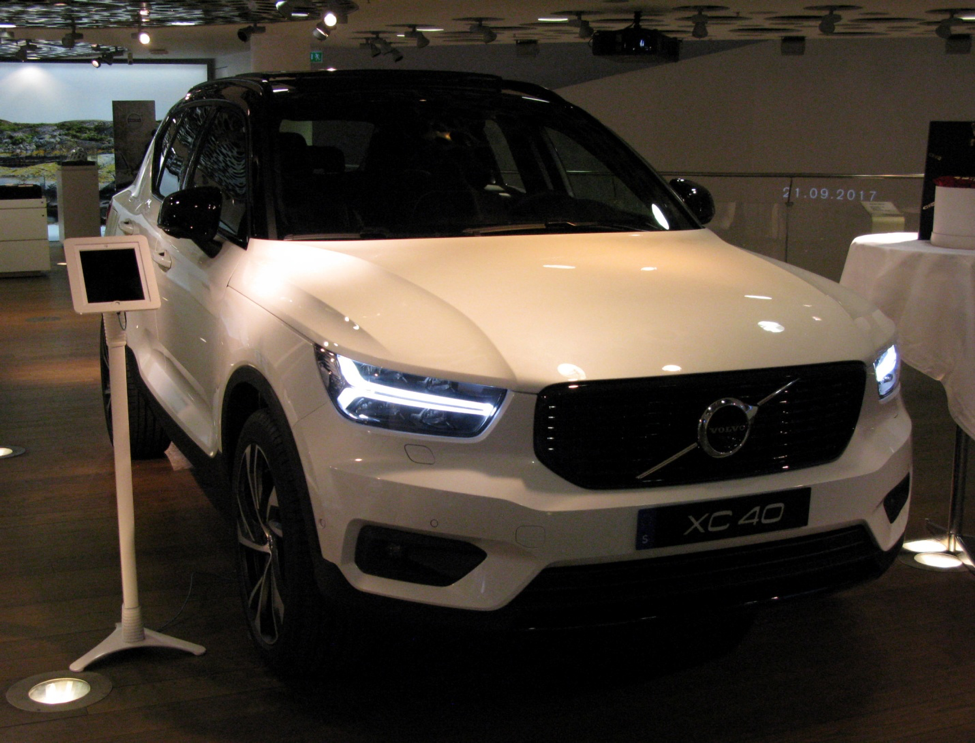
WhatCar? recently crowned the Volvo XC40 as the Car of the Year for 2018, in addition to being the family SUV of the year. However, when you consider that the Volvo XC40 has got an engine that runs on diesel, you cannot help but doubt whether the judges were in the right frame of mind while making the call or not. It is because while the entire world is busy in making the transition from diesel and petrol powered engines to engines that run on alternative sources, WhatCar? has got the audacity to look past it all and make the controversial decision of pronouncing a diesel powered SUV as the best of the lot.

On top of that, the editor of WhatCar? insisted that the decision was made purely based on the merits of the car. If that’s a fact, then it’s saddening to see that WhatCar? has chosen to value the “merits of a diesel-powered car” over the “benefits to the environment”. What the decision of WhatCar? will do is that it will restart the surge of the consumers towards diesel powered engines, thus negating all of the work that the various environmentalists and governments had put into the promotion of alternative power sources. But then again…who cares for the future, right?

Renault Boasts Misleading Information Yet Again

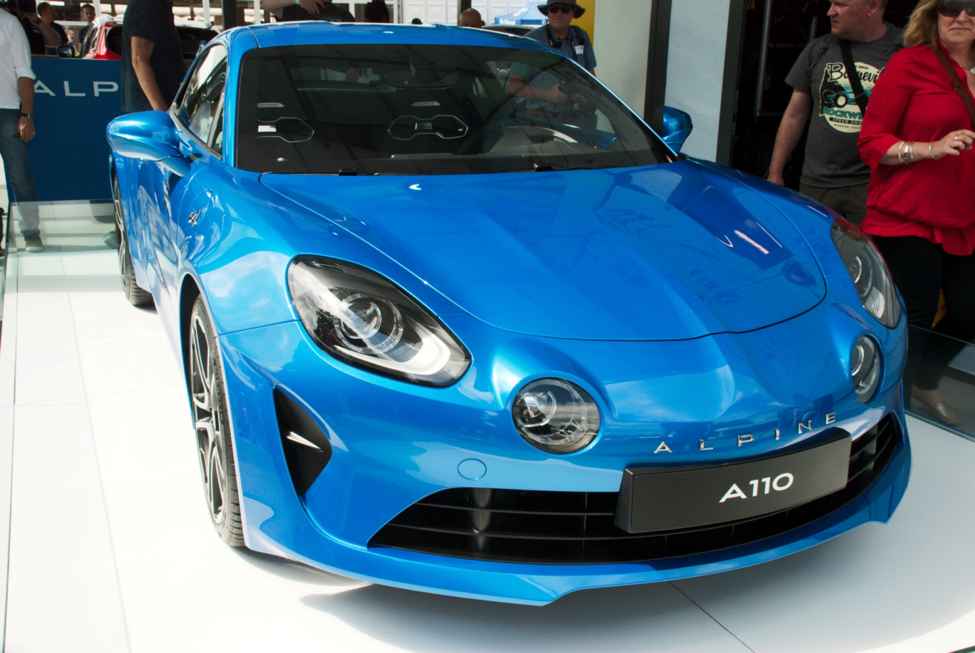
Renault has, recently, decided to re-launch its Alpine brand after a period of 20 years. The CEO of Renault had inaugurated the production line for the new A110, back in December, in a small coastal town in the northwest region of France, called Dieppe. Dieppe is among the poorest communities in the Normandy region, and the venture is bound to aid the living standards of the people there. Everything would have been perfect, however, if the spokespersons for Renault hadn’t resorted to lies as means for boasting their brand…yet again!

Renault claimed that its factory in Dieppe is the only one that’s building cars with aluminum bodies and chassis in the whole of Europe. The spokesperson had, perhaps, assumed the UK to not be a part of Europe, when making such a bold remark, owing to how JLR—a company based in the UK—has already been in the business of manufacturing cars with aluminum bodies and chassis. Either Renault needs an elementary lesson in geography to learn that the UK is one of the most powerful forces in Europe, or they need to build a car that can actually match up to the standard of JLR’s F-150, so that they don’t have to make audacious claims of greatness. It’s true, sadly, that everyone lies, whether it’s a person or a mere legal entity!