Why the Selling of Renault’s Stake to Nissan Is Not an Option

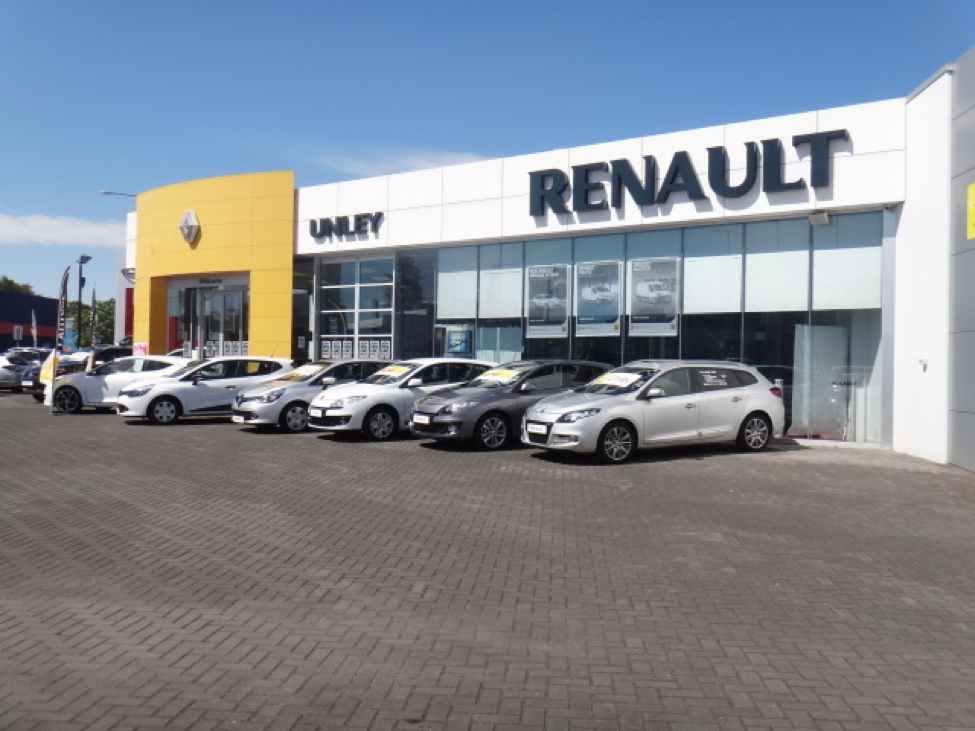
Renault Dealership

Nissan has recently been involved in talks with the French government for the purchase of stakes in Renault, as part of the merger prelude. For those who don’t already know, Renault and Nissan have been in alliance for quite some time now – since 1999 to be exact, with Mitsubishi joining in on the fun recently as well. As a part of the alliance, Renault holds 43.4 % of the shares in Nissan, whereas Nissan holds 15 % of the stake in Renault. Recently, the alliance proposed a plan to the French government according to which not only would Paris give up its controlling at Renault but the company will relinquish its control over Nissan as well.

The proposition appears to be preposterous, especially when you consider the Tokyo market rules, according to which Renault will lose its entire stake in Nissan, as the deal will see Nissan’s stake in Renault exceed the mark of 25 %. This should be seen as nothing short of a disgrace for a country like France, which has always been one of the market leaders in this industry.

On top of that, the dilution of stake could be a risky game for the Macron government, owing to how they are still facing backlash for letting the TGV train makers fall into foreign hands. However, such a merger will have far more serious consequences, owing to how it will not only affect the country’s technological centers but hit the industrial jobs and the revenues that are collected from tax as well. What this means is that not only will the French lose out on their jobs but will need to contribute more to the state, in the name of tax as well.

Regardless of how lucrative the deal offered by Nissan might be, the French government needs to learn from its mistakes in the past and keep the companies that the French created with their blood and sweat from falling into foreign hands. If not, then it is the commoners of France who will suffer…again!

PSA’s Strange Strategy for Countering the Plummeting Sales in Asia

Namibia Flag

We all know the sales of PSA cars have been plummeting in Asia, on the whole, regardless of how they surged by a whopping 54.5 percent in Africa and the Middle East in 2017. When you consider the importance of Asia on the geographical and economic scale, especially for businesses that are looking to grow and penetrate into newer markets, you have got say that PSA must have taken these plummeting numbers extremely seriously and done everything within the company’s power to get the numbers surging again, right? Wrong!

Surprisingly, PSA has recently chosen to enter into an agreement with the government of Namibia, according to which the company will set up its plants in the country with an output capacity of 5,000 vehicles per annum. The plant is said to be operational by the year 2020. This plant will play a vital role in meeting the demands of the customers in the African region, contributing to the long term goal of the company to significantly boost its sales in Asia and Africa. However, when you consider how the sales of PSA have been falling in Asia recently, it has got to be said that the company appears to have things figured out all wrong.

The basic rule of management governs that a business needs to steady its ship in places where it has already reached, instead of wandering into unexplored waters. The market of Africa might prove to be great for PSA, no doubt, but that will only serve to divert the attention away from the Asian market. We all know how the Asian market has been regarded as “the” market for growth, over the past several years. Unless PSA starts taking things in Asia more seriously and capitalizes before the Asian market becomes concentrated for good, you can be sure that it won’t be reaching the desired goal of selling one million vehicles in 2025.